Range Mix for Retail Chains — Bulk-Packed Empty Pod Cartridges
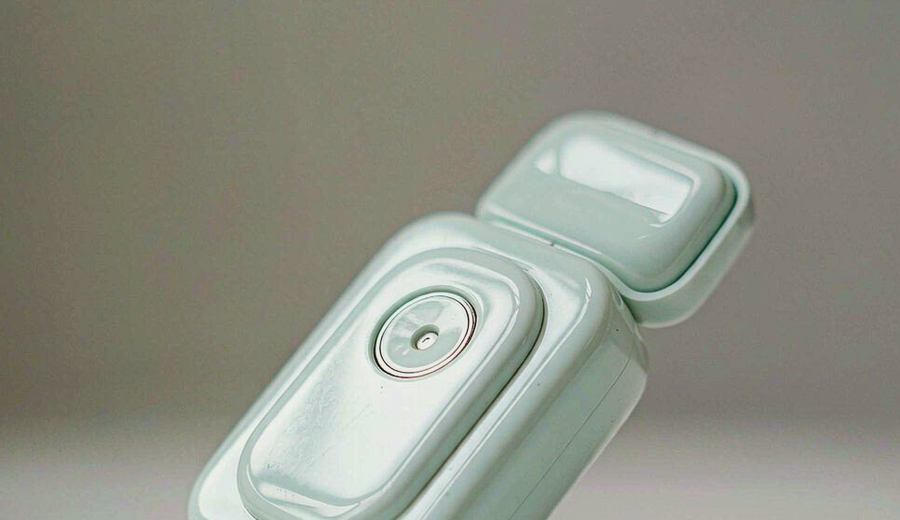
This guide to Empty Refillable Pod Cartridges is written for duty-free operators who need repeatable supply rather than a one-off purchase. It focuses on the decisions that change your landed cost and your shelf availability, and skips the parts that do not.
Margin Maths for Retailers
Retailers who track Empty Refillable Pod Cartridges by margin per shelf metre rather than margin per unit consistently make better range decisions. The product that earns slightly less per unit but turns twice as fast is usually the better use of the space.
Margin on Empty Refillable Pod Cartridges is decided at the purchase stage. Landed cost per sellable unit, not unit price, is the number that matters — and it includes freight, duty, shrinkage and the small percentage that never sells at full price.
OEM and Private Label Possibilities
Private label on Empty Refillable Pod Cartridges usually starts with artwork and ends with tooling. In between sit choices about colourways, packaging structure and minimum runs per variant. Understanding which of those carry a setup cost tells you how far you can differentiate without inflating the first order.
If you are considering a private label version of Empty Refillable Pod Cartridges, ask what the factory needs from you: artwork format, colour reference, quantity per variant and lead time for the first run. Clear inputs at the start quietly remove weeks from the schedule.
OEM work on Empty Refillable Pod Cartridges is most cost-effective when you change what the factory can already do. A different colour, a printed logo or a reworked carton costs far less than a new mould, and it gets you a recognisable product much faster.
Quality Control Steps That Catch Problems Early
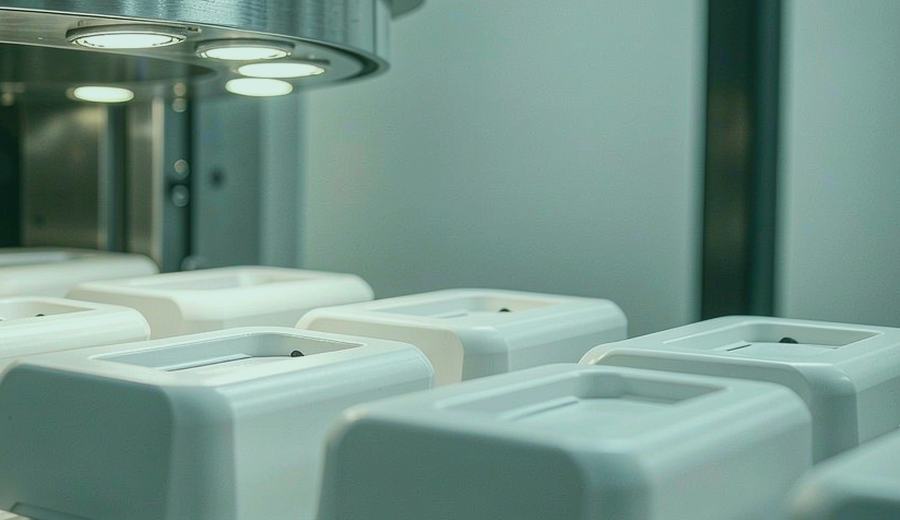
Inspection works when it happens before shipment. A pre-shipment check on Empty Refillable Pod Cartridges covering quantity, appearance, function and packaging typically takes a day and costs a fraction of a return. Book it early enough that a failed report still leaves time to rework.
The most useful QC report for Empty Refillable Pod Cartridges is a boring one: carton count, defect rate by category, photographs of the packing method, and a clear pass or fail. Narrative reports that hedge are far less useful than a simple count you can hold someone to.
After-Sales, Warranty and Spare Parts
Clarify what happens after Empty Refillable Pod Cartridges arrives. A written agreement on how defects are credited, how quickly claims are settled, and who pays for return freight is worth more than a friendly promise made during negotiation.
Set the claim window for Empty Refillable Pod Cartridges in writing — how many days after arrival you can report an issue and what evidence is needed. Clear terms on both sides make the rare dispute quick to resolve.
Spare parts availability is easy to overlook on Empty Refillable Pod Cartridges and painful to discover later. Ask which components are stocked, how long they are supported, and what the minimum order is for a parts-only shipment.
| Specification | Typical Range | Why It Matters |
|---|---|---|
| Unit specification | 18–4 variant range | Defines what the factory must hold |
| Master carton | 5 units per carton | Drives freight cost per unit |
| Production lead time | 18–4 working days | Sets your reorder point |
| Inspection window | 5 day report turnaround | Must fit before vessel cut-off |
Customs, Duties and Compliance Paperwork
Classification is the decision that shapes everything else on a Empty Refillable Pod Cartridges shipment. Duty rate, licence requirements and inspection probability all follow from the code used. If you are unsure, get a written classification opinion before the vessel sails, not after the goods are held.
Paperwork delays cost more than duties on most Empty Refillable Pod Cartridges imports. A complete set — commercial invoice, packing list, certificate of origin and any product-specific declaration — should be prepared while the goods are in production, not requested the week of arrival.
Specifications Worth Checking Before You Order
Write the specification for Empty Refillable Pod Cartridges the way a warehouse would check it: what can be counted, weighed or measured in five minutes. That phrasing survives the jump from sales team to production line far better than adjectives do.
Three specification lines cause most disputes on Empty Refillable Pod Cartridges orders: capacity tolerance, material grade and finish consistency. Ask for measured values rather than nominal ones, and request photographs of the actual production batch instead of a catalogue render. It takes an extra day and removes most of the risk.
A good specification for Empty Refillable Pod Cartridges is measurable. Capacity, resistance, material thickness and finish should all have a stated tolerance, not a marketing range. When tolerances are missing, quality arguments later become opinion against opinion, and that is a conversation you will not win from another continent.
Choosing Between Air, Sea and Express
Sea freight suits planned Empty Refillable Pod Cartridges volume, air suits genuine urgency, and express suits samples and small top-ups. Matching the mode to the reason, rather than to the deadline panic, is what keeps freight spend proportionate.
For Empty Refillable Pod Cartridges, the break-even between air and sea is mostly about how long your cash is tied up and how quickly the stock turns. Fast-moving lines can justify air; slow ones almost never can.
- Agree the specification in writing before sampling Empty Refillable Pod Cartridges
- Keep a reorder calendar instead of reacting to stockouts
- Treat the first shipment as a test and the second as the real order
- Plan cartons around real handling, not catalogue photos
- Use one approved sample reference for every repeat order
Every Empty Refillable Pod Cartridges order starts the same way here — a short conversation about volume, market and timing. If the fit is right we will quote; if it is not, we will say so and point you somewhere better.
Frequently asked questions
How long does a Empty Refillable Pod Cartridges order take to arrive?
Production for Empty Refillable Pod Cartridges commonly runs two to four weeks depending on specification and packaging, with transit added on top. Sea freight adds several weeks, air considerably less. We quote a realistic window rather than a best case.
How do I know the Empty Refillable Pod Cartridges I reorder will match the last batch?
We keep the approved specification and sample reference on file for every order and check against it at inspection. If a component changes, you hear about it before production rather than at delivery.
How is Empty Refillable Pod Cartridges packed for export?
Packing depends on the product and route, but the principle is the same: inner protection, a rigid master carton and a pallet pattern that survives handling. We can send photographs of the packing method before dispatch.
What is the usual minimum order for Empty Refillable Pod Cartridges?
Most Empty Refillable Pod Cartridges production runs start at a carton-level minimum rather than a single unit. The exact figure depends on how many variants you need and whether the packaging is standard or custom printed, so it is worth asking with your actual mix in mind.
Are there compliance requirements I should know about for Empty Refillable Pod Cartridges?
Requirements vary by destination and they change. We confirm the current position for your market at the point of order and supply the documentation that supports it, but the importer of record remains responsible for local compliance.
Related reading
Talk to us about empty refillable pod cartridges bulk
Send us your target quantity, destination and timing. We answer with real options and a landed cost you can compare — normally within one working day.