Range Mix for Importers — Certified Empty Pod Cartridges
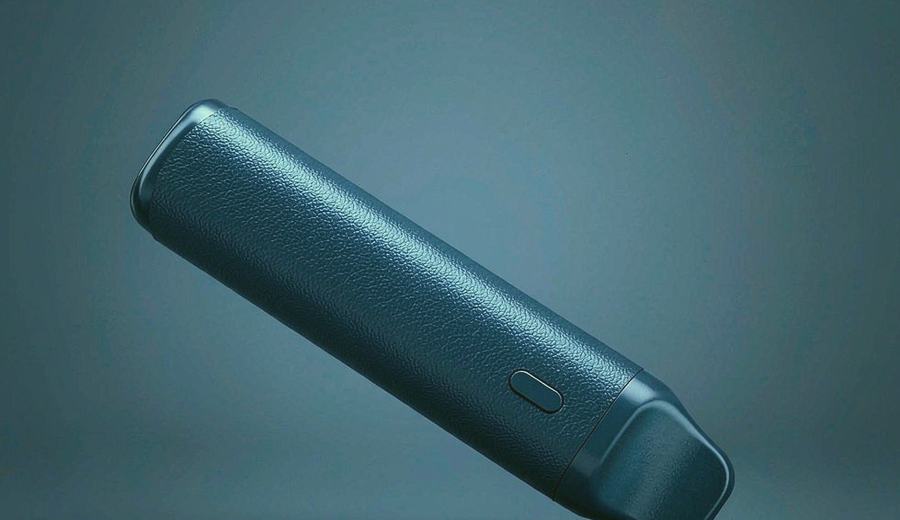
Most problems with Empty Refillable Pod Cartridges are not product problems — they are specification, packaging or timing problems that were visible in advance. This page is a checklist for catching them while they are still cheap to fix.
Shipping Routes, Transit Time and Freight Options
Choosing between sea, air and express for Empty Refillable Pod Cartridges is a margin question, not a speed question. Sea freight protects unit economics on planned volume; air rescue shipments protect shelf availability. Most importers end up using both, and planning for that is cheaper than improvising.
Freight quotes for Empty Refillable Pod Cartridges move with fuel surcharges, currency and space availability. Ask whether the rate is fixed for a period or spot-quoted per shipment, because that single detail determines how predictable your landed cost will be over a year.
Who Buys Empty Refillable Pod Cartridges and Why
Demand for Empty Refillable Pod Cartridges rarely comes from a single customer type. Some travel retail operators want steady replacement stock, others want something seasonal they can merchandise for six weeks. Those two buying patterns need different carton sizes and different delivery windows, so it is worth separating them when you plan.
The buyers behind Empty Refillable Pod Cartridges orders are usually pragmatic. They care about whether the product sells through, whether it arrives intact, and whether the next shipment will match the last one. Everything else is secondary, which is why consistency beats novelty in most reorder conversations.
travel retail operators tend to reorder Empty Refillable Pod Cartridges on a rhythm rather than in one large batch. That rhythm is driven by shelf turnover, seasonal footfall and how quickly a flavour or format goes stale in the local market. Understanding who your end buyer is makes the reorder maths much easier.

Packaging, Labelling and Shelf Readiness
Shelf presentation is where Empty Refillable Pod Cartridges either sells or sits. Carton dimensions, facing count and how quickly a shopper can read the flavour all affect turnover. If the packaging only works in a warehouse, you have pushed that cost onto the retailer.
Labelling rules move, and Empty Refillable Pod Cartridges is no exception. Build a habit of confirming the current requirement for each destination at the point of order rather than reusing last year's artwork file. The cost of a reprint is small; the cost of a detained shipment is not.
Seasonal Demand and Reorder Timing
Reorder timing for Empty Refillable Pod Cartridges should be calculated backwards from the shelf, not forwards from the factory. Start with the week you need stock, subtract the realistic transit window, add a buffer for inspection, and you have your order date.
Most stockouts on Empty Refillable Pod Cartridges are planning failures rather than supply failures. The goods were available; the order simply went in three weeks late. A written reorder calendar removes most of that risk for very little effort.
Demand for Empty Refillable Pod Cartridges is seasonal in most markets, and the season shifts by a few weeks each year. Track your own sell-through by week rather than by month — weekly data shows the turn early enough to reorder comfortably.
| Order Stage | Working Days | What Happens |
|---|---|---|
| Specification sign-off | 30 working days | Confirms tolerances and materials |
| Sampling | 12–6 working days | Production units, not showroom pieces |
| Production | 6 working days | Scheduled against your slot |
| Inspection and packing | 30 working days | Photographs included in the report |
Margin Maths for Retailers
Margin on Empty Refillable Pod Cartridges is decided at the purchase stage. Landed cost per sellable unit, not unit price, is the number that matters — and it includes freight, duty, shrinkage and the small percentage that never sells at full price.
Retailers who track Empty Refillable Pod Cartridges by margin per shelf metre rather than margin per unit consistently make better range decisions. The product that earns slightly less per unit but turns twice as fast is usually the better use of the space.
Building A Repeatable Replenishment Cycle
A repeatable cycle for Empty Refillable Pod Cartridges has three inputs: weekly sell-through, lead time and buffer. Once those are written down, reordering becomes a routine task instead of a decision, and routine tasks are the ones that actually happen.
Most importers of Empty Refillable Pod Cartridges who move to a fixed monthly cycle report the same benefit: fewer emergencies. The total volume ordered barely changes, but the number of urgent shipments drops sharply.
Scheduled replenishment for Empty Refillable Pod Cartridges gives you leverage you do not get with ad-hoc orders. A supplier who can see your next four shipments will prioritise your production slot, and that priority is worth more than a small discount.
Retail Merchandising Ideas That Move Stock
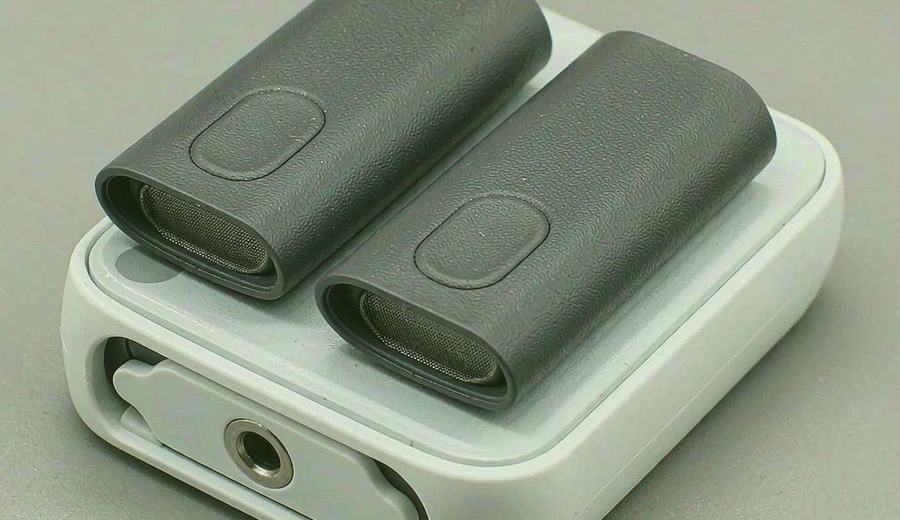
Rotate the Empty Refillable Pod Cartridges facing every few weeks. Even without changing the range, moving the position refreshes attention and surfaces stock that has settled into a blind spot near the counter.
Merchandising Empty Refillable Pod Cartridges well is mostly about legibility. A shopper should be able to identify the product type and the variant from a metre away. If they have to pick things up to compare, you have already lost part of the sale.
- Use one approved sample reference for every repeat order
- Book inspection while there is still time to rework
- Treat the first shipment as a test and the second as the real order
- Plan cartons around real handling, not catalogue photos
- Keep a reorder calendar instead of reacting to stockouts
If you want to move on Empty Refillable Pod Cartridges, the fastest next step is a specification and a sample. Send us your target quantity and destination and we will come back with options, timings and a landed cost you can compare against what you have today.
Frequently asked questions
Are there compliance requirements I should know about for Empty Refillable Pod Cartridges?
Requirements vary by destination and they change. We confirm the current position for your market at the point of order and supply the documentation that supports it, but the importer of record remains responsible for local compliance.
How long does a Empty Refillable Pod Cartridges order take to arrive?
Production for Empty Refillable Pod Cartridges commonly runs two to four weeks depending on specification and packaging, with transit added on top. Sea freight adds several weeks, air considerably less. We quote a realistic window rather than a best case.
Can Empty Refillable Pod Cartridges be shipped directly to my retail locations?
Direct-to-store is possible in many markets, though consolidation at a single warehouse is usually cheaper and easier to reconcile. We can quote both so you can compare.
What payment terms are available for Empty Refillable Pod Cartridges?
Standard terms are a deposit with the balance before shipment, with alternatives available for established accounts on scheduled programmes. We will outline what is possible once we understand the size and frequency of your orders.
Can you handle repeat or scheduled Empty Refillable Pod Cartridges orders?
Yes, and it suits both sides. A scheduled cycle lets us reserve production capacity, which shortens lead times and makes pricing more stable than ad-hoc ordering.
Related reading
Talk to us about empty refillable pod cartridges bulk
Send us your target quantity, destination and timing. We answer with real options and a landed cost you can compare — normally within one working day.