Bulk Empty Pod Cartridges: Container Loading Basics
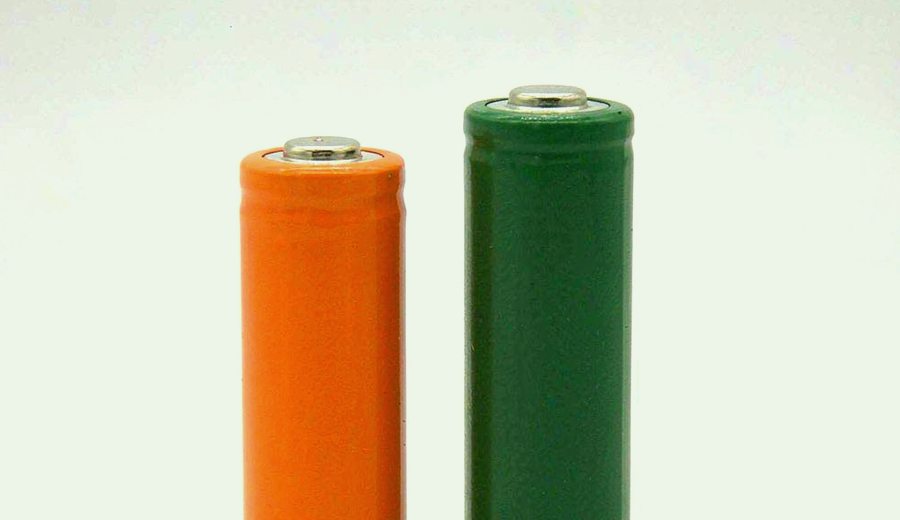
Whether you are replenishing an existing line or evaluating Empty Refillable Pod Cartridges for the first time, the same fundamentals apply: know the specification, know the landed cost, and know who is accountable if something is wrong.
Storage, Handling and Shelf Life
Good stock rotation on Empty Refillable Pod Cartridges is simple: label by arrival date, pick oldest first, and keep a small buffer that is never touched. That buffer is what stops an unexpected demand spike from turning into an emergency air shipment.
Empty Refillable Pod Cartridges degrades in predictable ways: heat, light and time. Store in a cool, dry place away from direct sunlight and rotate stock by production date. Those two habits prevent most of the quality complaints that get blamed on the factory.
Margin Maths for Retailers
Margin on Empty Refillable Pod Cartridges is decided at the purchase stage. Landed cost per sellable unit, not unit price, is the number that matters — and it includes freight, duty, shrinkage and the small percentage that never sells at full price.
A useful exercise with Empty Refillable Pod Cartridges: calculate what a 5 percent improvement in landed cost does to annual profit, and compare that with what a 5 percent price increase does. The first is usually easier and does not risk volume.
Retailers who track Empty Refillable Pod Cartridges by margin per shelf metre rather than margin per unit consistently make better range decisions. The product that earns slightly less per unit but turns twice as fast is usually the better use of the space.

Common Mistakes Buyers Make
The most expensive mistake with Empty Refillable Pod Cartridges is ordering the full quantity before evaluating a sample. Production samples, not showroom units, are what you will receive. Run the sample through the handling it will actually face and only then commit.
Skipping the carton check is a close second. Packaging failures on Empty Refillable Pod Cartridges shipments rarely show up as a visible defect; they show up as scuffed retail units that will not sell at full price. Open a few cartons at random before signing off.
Minimum Order Quantities and Carton Planning
Plan Empty Refillable Pod Cartridges cartons around how the goods will actually be handled: how many times they are transferred, what the last leg looks like, and whether the carton will be opened for inspection. Those answers matter more to damage rates than the carton grade on paper.
Carton planning decides whether Empty Refillable Pod Cartridges arrives in a condition you can sell. Under-filled cartons deform in transit; over-filled ones split at the seams. Aim for a fill that leaves the carton rigid without compressing the product, and check the stacking height against your pallet pattern.
MOQ on Empty Refillable Pod Cartridges is usually set by whatever makes a production run efficient, not by any fixed rule. If your requirement is below the standard minimum, ask whether a mixed carton or a shared production slot is possible instead of accepting a large surplus you cannot sell through.
| Cost Component | Share of Landed Cost | Notes |
|---|---|---|
| Product cost | 5% of landed cost | Moves with volume and specification |
| Packaging | 21% of landed cost | Higher for retail-ready formats |
| Freight and handling | 9% of landed cost | Route and season dependent |
| Duty and clearance | Destination specific | Follows from classification |
What Empty Refillable Pod Cartridges Actually Covers
Scope is the first thing to pin down with Empty Refillable Pod Cartridges. Hardware, consumables and packaging are often bundled differently depending on the factory, so a low unit price can quietly hide a higher landed cost. A one-page specification agreed before sampling removes most of that ambiguity.
The phrase Empty Refillable Pod Cartridges gets used loosely in export enquiries, which is why quotations sometimes look impossible to compare. One factory may price a bare unit while another includes retail packaging, labelling and a master carton. Getting the scope written down first saves a round of emails and, more importantly, stops you from discovering the difference after the goods land.
Quality Control Steps That Catch Problems Early
Agree the acceptable defect threshold for Empty Refillable Pod Cartridges in writing before production. Without a number, every inspection becomes a negotiation, and the negotiation always happens when you have the least leverage.
Inspection works when it happens before shipment. A pre-shipment check on Empty Refillable Pod Cartridges covering quantity, appearance, function and packaging typically takes a day and costs a fraction of a return. Book it early enough that a failed report still leaves time to rework.
The most useful QC report for Empty Refillable Pod Cartridges is a boring one: carton count, defect rate by category, photographs of the packing method, and a clear pass or fail. Narrative reports that hedge are far less useful than a simple count you can hold someone to.

How to Compare Suppliers Without Wasting Weeks
Time-box the comparison. Two weeks of structured enquiries on Empty Refillable Pod Cartridges beats two months of open-ended ones, because the market moves and your shelf does not wait. Set a decision date at the start and hold to it.
Ask every Empty Refillable Pod Cartridges supplier the same five questions and score the answers. Which of them mentions a constraint you had not considered is often the most informative result — it tells you who has actually produced this before.
- Agree the specification in writing before sampling Empty Refillable Pod Cartridges
- Request the full document set during production
- Track weekly sell-through to catch the seasonal turn
- Confirm labelling rules for the destination at order time
- Use one approved sample reference for every repeat order
Whether you need a single carton to test or a container to fill a season, the process for Empty Refillable Pod Cartridges is the same. Reach out with your requirements and we will respond with specifics rather than a brochure.
Frequently asked questions
Can different variants of Empty Refillable Pod Cartridges be mixed in one carton?
Mixed cartons are usually possible and are a good option when you are testing a range or working below a per-variant minimum. There is normally a small packing surcharge, which we will show on the quotation.
Can I get Empty Refillable Pod Cartridges with my own branding?
Yes — private label is available on most Empty Refillable Pod Cartridges lines. The usual options are printed logos, custom colourways and bespoke outer packaging. Each carries a different setup cost and minimum, which we list separately in the quotation.
How long does a Empty Refillable Pod Cartridges order take to arrive?
Production for Empty Refillable Pod Cartridges commonly runs two to four weeks depending on specification and packaging, with transit added on top. Sea freight adds several weeks, air considerably less. We quote a realistic window rather than a best case.
How do I know the Empty Refillable Pod Cartridges I reorder will match the last batch?
We keep the approved specification and sample reference on file for every order and check against it at inspection. If a component changes, you hear about it before production rather than at delivery.
Can Empty Refillable Pod Cartridges be shipped directly to my retail locations?
Direct-to-store is possible in many markets, though consolidation at a single warehouse is usually cheaper and easier to reconcile. We can quote both so you can compare.
Related reading
Talk to us about empty refillable pod cartridges bulk
Send us your target quantity, destination and timing. We answer with real options and a landed cost you can compare — normally within one working day.